

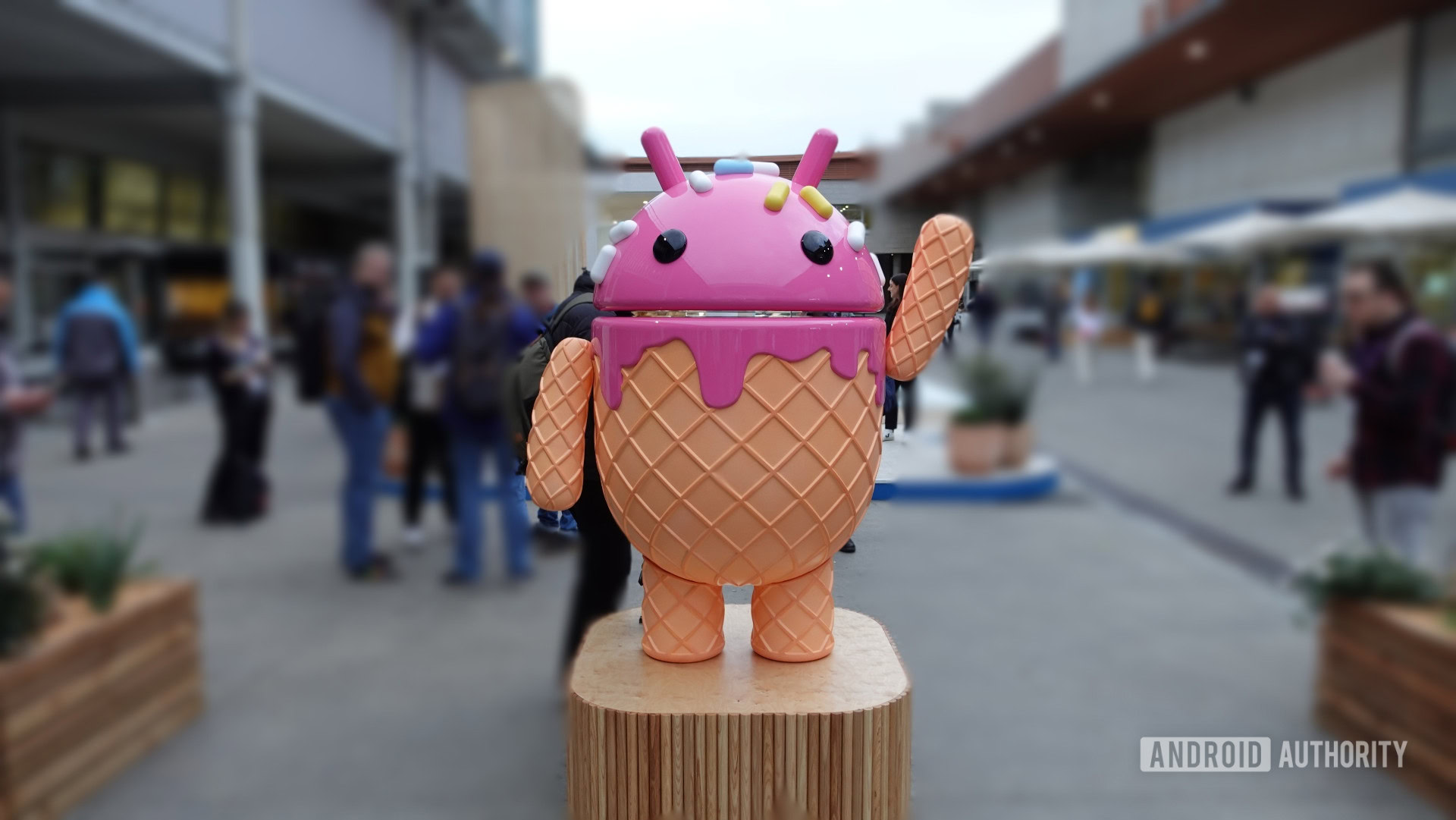
Adamya Sharma / Android Authority
2025 has been pretty phenomenal for Android. Google’s Android 16 update is one of the biggest we’ve seen in years, and although some of the most significant changes weren’t available until Android 16 QPR1 and QPR2, the final product is still an excellent piece of software.
But therein lies an issue with today’s Android updates. If you ask me in a few years what the differences are between Android 16, Android 16 QPR1, and Android 16 QPR2, I’m not certain if I’d be able to tell you. But ask me to describe Android Gingerbread and Android Lollipop, and I’ll talk your ear off.
It’s been a few years now since Google abandoned its fun, dessert-themed names for Android versions, and the longer we go without them, the more forgettable Android updates become.
Dessert names vs. serious version numbers: Which do you prefer for Android updates?
15 votes
Dessert names
73%
Regular version numbers
7%
I don’t care either way
20%
The dessert days and what made them special
Android didn’t have its dessert names from the very beginning, but it didn’t take long for that to change. It was the third Android version — Android 1.5, released in April 2009 — that started the dessert naming trend. While Android 1.5 was the version number, Google branded the update as Android Cupcake.
And from there, the rest is history. Android 1.6 was released as Android Donut, Android 2.0 and 2.1 were collectively known as Android Eclair, Android 2.2 launched as Android Froyo, and so on. Although Google certainly wasn’t the first company to give its software cutesy codenames, the dessert theme combined with Google’s excellent marketing was an unstoppable recipe for success.
When I think of Android Ice Cream Sandwich, I can clearly visualize the ice cream sandwich-ified Android mascot that Google used as the update’s logo. The adorable jelly bean Easter egg for Android Jelly Bean remains far too cute all these years later. Even the branded dessert names — Android KitKat and Android Oreo — were fun for their own reasons. My colleague Rita remembers going out to buy a KitKat after the announcement of Android KitKat, and I’m pretty sure I did the same.
As silly as it may sound, the dessert names were almost as big a deal as the updates themselves. The unveiling of the next Android version name was exciting. For months leading up to a new Android update, there would be rumors, speculation, and wish lists about that year’s codename. Before we knew Android 7 would be called Android Nougat, some of the front-runners included New York Cheesecake, Nectar, and — my personal favorite — Nutella.
Not only was the surrounding fanfare fun in the moment, but it had a lasting impact on each and every Android version. Android Ice Cream Sandwich may be 14 years old, but I can still clearly picture its “Holo” UI and the groundbreaking (at the time) recent apps page. I also have very distinct and fond memories of Android KitKat and all the big home-screen launcher changes it introduced.
Those dessert names gave Android versions an unmistakable identity and, more importantly, identities that have stuck with me for years.
Modern Android updates don’t have the same magic
Rita El Khoury / Android Authority
Fast-forward to today, and modern Android updates don’t have that. Google ended its dessert naming scheme in 2019 with the release of Android 10, and that simplified naming has continued with Android 11, Android 12, Android 13, Android 14, Android 15, and again this year with Android 16.
Each Android version still gets a unique logo, and as mentioned above, the quality of the updates remains strong; Android 16 is one of my favorite Android updates in years. But it’s simultaneously true that the straightforward, generic naming scheme has made these updates drastically more forgettable.
Even as someone who writes about Android for a living, I’d struggle to tell you the difference between Android 10 and Android 11. I know Android 12 and Android 13 were good updates, but without looking them up, I’m not confident in what the significant features/changes were for each. One of those four updates introduced Google’s big Material You redesign, but was it Android 11 or Android 12?
You could argue that some of Android’s best features have emerged between Android 10 and Android 16, but the lack of a clear identity for each software version means everything released over the last six years sort of melds together. And that’s a shame! All of these Android versions deserve to be memorable, but Google’s bland, serious branding prevents that.
Android updates are nowhere near as magical as they once used to be, and the missing dessert names are a big reason why.
Of course, you could argue that this ultimately doesn’t matter. So long as the update itself is good and the new features are worthwhile, that’s the important part, right? Absolutely. But as an Android fan, not having the fun and whimsy these updates once brought still stings. I like getting a new Android update, but it’s nowhere near as magical as it used to be — and the missing dessert names are a big reason why.
I still love Android. It’s my mobile operating system of choice and likely will be forever. But that doesn’t make the confectiuonary absence any less disappointing. Google had something special with Android’s dessert names, and every year that passes, I miss them more and more.
Don’t want to miss the best from Android Authority?
Thank you for being part of our community. Read our Comment Policy before posting.
