

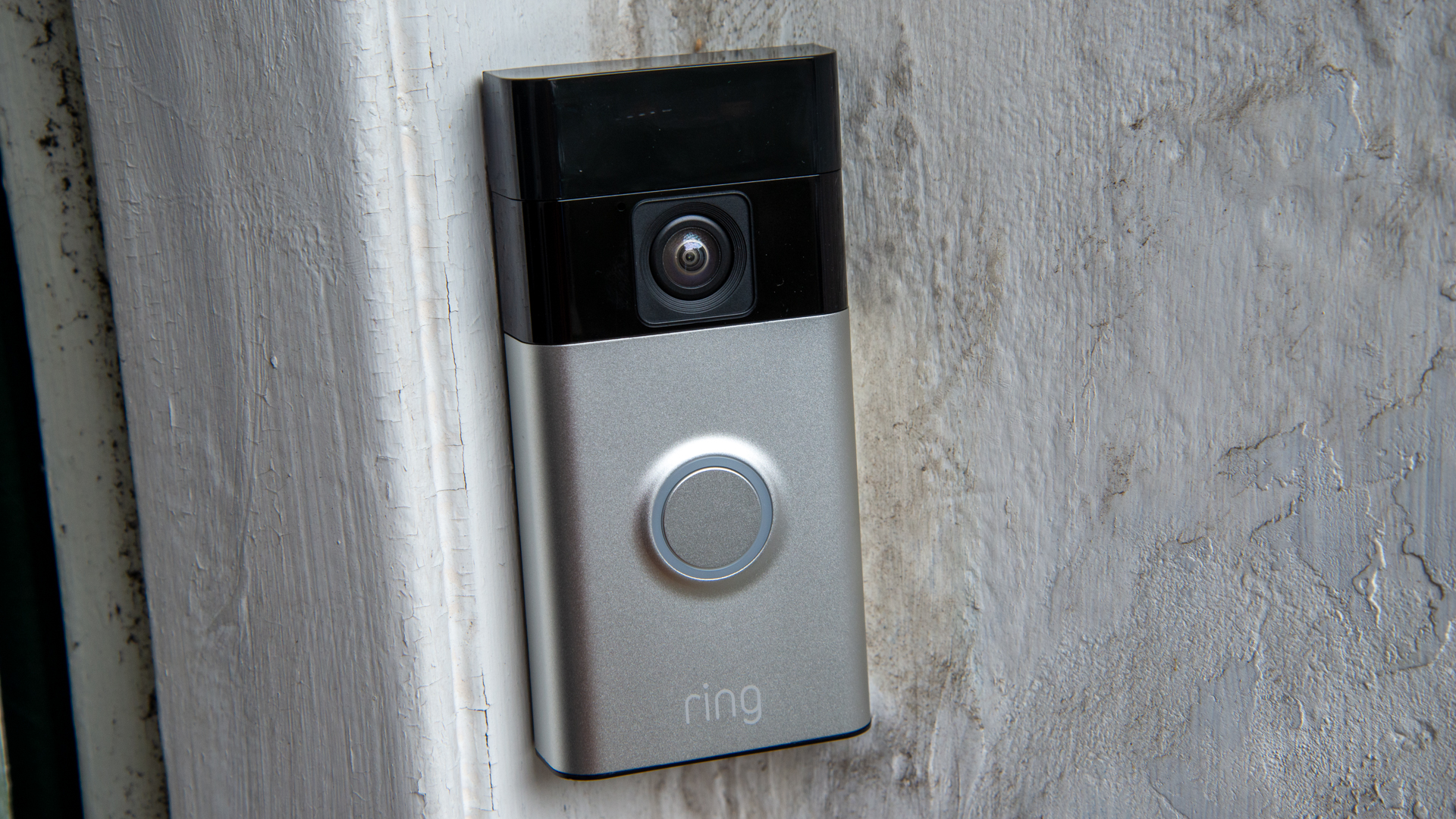
Ring is rolling out a new AI-powered facial-recognition feature for its video doorbells in the US, giving users the option to have their device identify familiar visitors by name.
The addition, called Familiar Faces, has been controversial since it was announced in September, and now that it’s officially live, the privacy debate around Ring is heating up again.
The feature works by letting users build a catalogue of up to 50 people who regularly appear at their door, from family members to delivery drivers. Once a face is labelled in the Ring app, your alerts change from the usual “Someone is at your door” to a more specific “Mom at Front Door.”
You can also customise which people trigger notifications at all, making it easier to filter out your own comings and goings.
Advertisement
Importantly, Familiar Faces isn’t switched on by default. Users need to manually enable it in the app, where faces can be added from the Event History or through a dedicated library. Amazon says all face data is encrypted, never shared externally, and that unlabelled faces are deleted after 30 days. Labels are editable, and duplicates can be merged or removed.
But despite Amazon’s assurances, the rollout has already drawn criticism from privacy advocates and lawmakers.
Groups like the EFF say the feature amplifies long-standing concerns about Ring’s relationship with law enforcement, from previous police partnerships to the 2023 FTC case that found employees had inappropriate access to customer videos.
Image Credit (Trusted Reviews)
More recently, Ring’s ecosystem has intersected with broader surveillance networks through companies like Flock, raising fears that biometric data could eventually be used in ways customers didn’t sign up for.
Some states and cities have stricter biometric laws in place, and the feature won’t be available in Illinois, Texas, or Portland for that reason. Meanwhile, U.S. Senator Ed Markey is urging Amazon to scrap the feature altogether.
Advertisement
Amazon maintains that it doesn’t use biometric data to train AI and claims it technically can’t generate a history of everywhere a person has appeared on Ring cameras, though critics question how that differs from Ring’s existing neighbourhood-wide “Search Party” tool.
For now, Familiar Faces is an optional feature, and Ring owners can simply leave it off. But with the system now live across the US, the bigger discussion isn’t going away: even if the tech works as intended, not everyone is convinced your doorbell should know, and remember, who’s standing in front of it.
